

How to Keep Wasps Away From Your House: 9 Prevention Tips That Actually Work
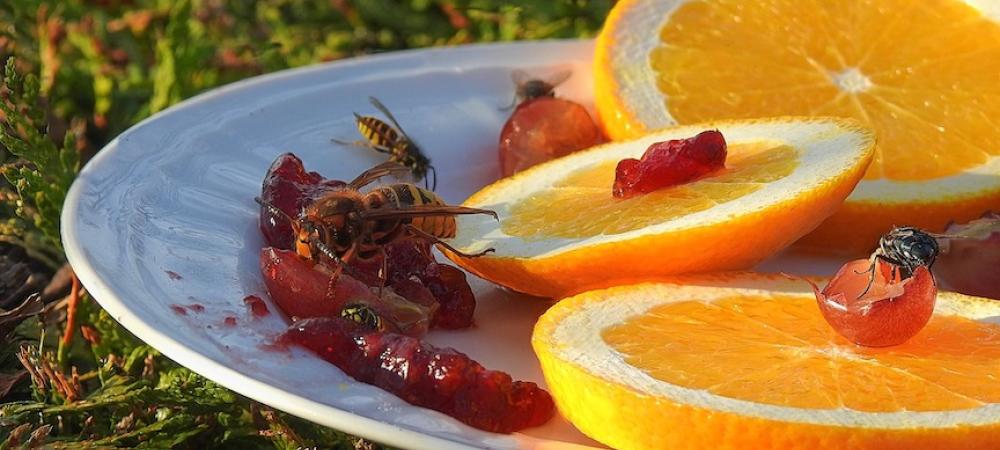
Most of the year, wasps are just background noise, but from late spring through early fall they get bolder, especially once a nest is established near your home. Unlike honey bees, wasps can sting more than once, and they will if they feel their nest is threatened. Most wasp problems are preventable if you take away what draws wasps in and catch nests while they're still small. These nine prevention tips are the ones backed by New York extension experts, plus a simple trap you can build if wasps are already a nuisance.
Quick answer: The most effective ways to prevent wasps are to check your home for new nests every week in spring, knock down small nests early, seal gaps in siding and screens, and keep food, trash, and fallen fruit out of reach. Traps help in late summer, and sealing old nest sites over winter keeps wasps from moving back in next year. If a nest is already large, hidden in a wall, or hard to reach, call a pest control professional instead of handling it yourself.
What's in this guide
- Check for new nests in spring
- Knock down nests early
- Seal gaps and torn screens
- Cover food and drinks outside
- Lock down trash and compost
- Pick up fallen fruit
- Remove ground nesting spots
- Set traps in late summer
- Seal old nest sites over winter
- Which wasps you're dealing with
- When to use each tip
- What doesn't work
- When to call a professional
- Frequently asked questions
1. Check Your Home for New Wasp Nests Every Week in Spring
Checking your home for new wasp nests every week in spring is the easiest way to stop a wasp problem before it starts. Each nest begins with a single queen that survived the winter, and Cornell's New York State IPM Program notes that nests usually go unnoticed until they're large and active. Cornell recommends checking buildings and grounds weekly or every other week on warm, sunny days from early spring through summer. Focus on the spots wasps prefer:
- Under eaves, gutters, and soffits
- Beneath deck boards, railings, and outdoor stairs
- Inside sheds, grills, mailboxes, and outdoor light fixtures
- Around holes in the ground, old stumps, and leaf piles
2. Knock Down Small Wasp Nests Early, Before the Colony Grows
Knocking down wasp nests early in the season works because a young nest has only a queen or a few workers to defend it. Cornell's New York State IPM Program recommends removing young nests with a strong jet of water or a long pole, ideally at night when all the wasps are on the nest, while wearing thick, loose clothing and gloves. Cornell Cooperative Extension of Tompkins County adds that very early morning, before the sun is up, also works because the wasps have had all night to cool down.
| Nest situation | DIY or professional? | Why |
|---|---|---|
| Small, exposed paper nest early in the season | DIY is reasonable | Few wasps to defend it, and it's easy to reach with a hose or pole |
| Nest the size of a football or larger | Professional | A mature colony can hold hundreds to thousands of wasps |
| Nest inside a wall, attic, or soffit | Professional | The nest is hidden and hard to treat completely from outside |
| Nest in the ground near play areas or walkways | Professional | Ground-nesting yellowjackets are easy to disturb and quick to swarm |
| Nest high up or over a ladder | Professional | A sting response while on a ladder adds a fall risk |
Cornell's New York State IPM Program notes that a crushed yellowjacket releases an alarm pheromone that calls other workers to the area. Swatting wasps near an active nest can turn one wasp into many, so back away calmly instead.
3. Seal Gaps in Siding, Screens, and Rooflines
Sealing gaps in your siding, screens, and roofline keeps wasps from building nests inside your walls and attic. Cornell's New York State IPM Program notes that yellowjackets will build nests inside buildings when they have access, and Cornell Cooperative Extension points out that the larger the opening, the larger the pest you can end up hosting. Walk the outside of your house and check:
- Window frames, door thresholds, and window screens
- Siding seams and gaps where siding meets the foundation
- Vents, chimney openings, and soffits
- Flashing along eaves and rooflines
Replace torn screens, caulk small gaps, and cover vent and chimney openings with fine mesh. If you see wasps flying in and out of a gap right now, don't seal it while the colony is active. Call a professional to treat the nest first, then seal the opening.
4. Cover Food and Drinks When You Eat Outside
Covering food and drinks outdoors removes the main reason wasps show up at patios and picnics in late summer. Cornell's New York State IPM Program explains that yellowjackets hunt insects early in the season, then shift to scavenging around picnic food and drinks later in the summer. German yellowjackets can travel up to three quarters of a mile looking for food, so an open plate in your yard can draw wasps from well beyond your property line.
- Keep food covered until you're ready to eat, and clear plates right after
- Serve drinks in cups with lids, and check cans before taking a sip
- Wipe up spills on tables and decks right away
- Feed pets indoors, or pick up outdoor pet bowls after meals
5. Lock Down Trash, Recycling, and Compost
Locking down trash, recycling, and compost takes away one of the most reliable food sources wasps find around a home. Cornell's New York State IPM Program lists trash bins and compost piles among the places yellowjackets gather in late summer. Eastern yellowjackets also build nests in compost and leaf piles, so an open compost pile can be both a food source and a nest site.
- Use trash and recycling bins with tight-fitting lids
- Rinse soda cans, juice boxes, and food containers before recycling them
- Rinse out bins every few weeks during summer
- Keep compost covered and turn it regularly so it isn't left undisturbed
6. Pick Up Fallen and Overripe Fruit
Picking up fallen and overripe fruit cuts off a sugar source that draws wasps into yards every fall. Cornell's New York State IPM Program notes that bald-faced hornets mostly hunt insects, but develop a taste for sugar in overripe fruit like apples and figs in late summer. If you have apple, pear, peach, or fig trees, collect dropped fruit every day or two once it starts falling, and harvest ripe fruit promptly.
7. Remove Ground Nesting Spots From Your Yard
Removing ground nesting spots makes your yard less attractive to yellowjackets, which are the most aggressive wasps around homes. Cornell's New York State IPM Program notes that some yellowjackets nest in abandoned rodent burrows, rotting tree stumps, and leaf or compost piles. Clearing those spots when no wasps are using them leaves queens fewer places to start a colony.
- Remove rotted wood, old stumps, and woodpiles you no longer need
- Fill in old animal burrows and holes, then pack the soil down firmly
- Rake up leaf piles instead of leaving them sitting for months
Don't fill it in or mow over it. Cornell Cooperative Extension of Tompkins County suggests marking the spot so you can avoid it while mowing. If the nest is near a walkway or play area, call a professional, and fill the hole after the colony is gone.
8. Set Wasp Traps in Late Summer, Away From Where You Gather
Setting wasp traps in late summer and fall reduces the number of foraging wasps around your yard when colonies are at their largest. Cornell's New York State IPM Program recommends traps baited with fruit punch or orange soda to draw wasps away from areas where people gather. You can build one in about ten minutes.
What you need: a 2-liter plastic bottle, scissors or a utility knife, about a cup of fruit punch or orange soda, a drop of dish soap, tape, and string if you want to hang it.
- Cut the top third off the bottle to create a funnel.
- Pour the fruit punch or orange soda into the bottom half and add a drop of dish soap.
- Flip the top piece upside down, set it inside the bottom half funnel-side down, and tape the edges together.
- Hang or place the trap a good distance away from your patio, deck, or play area.
- Empty and refresh the bait every few days.
Put traps at the edge of your yard, not on the patio table. The goal is to pull wasps away from where your family spends time. A trap right next to your seating area draws wasps toward you instead.
Commercial traps work the same way and are sold at most hardware stores. Traps reduce foraging wasps, but they won't eliminate the nest those wasps are coming from.
9. Seal Last Year's Nest Sites Over the Winter
Sealing last year's nest sites over the winter keeps new queens from moving into the same spots next spring. Cornell Cooperative Extension of Tompkins County explains that wasp and yellowjacket colonies die off after hard frosts, and only mated queens survive the winter to start new nests. That makes winter the best time to make repairs, since nothing is defending the old site. Cornell's New York State IPM Program recommends using the off-season to:
- Seal holes and gaps where wasps got into wall voids
- Fix flashing along eaves where wasps entered the house
- Fill and pack down ground holes that held colonies
- Write down where you found nests this year so you know where to check first next spring
Which Wasps Are Most Common Around Homes in New York?
The wasps most likely to cause problems around homes in New York are yellowjackets, bald-faced hornets, and paper wasps. Knowing which one you have matters, because nest location, colony size, and how aggressively they defend the nest all change which prevention tips matter most. Cornell's New York State IPM Program describes the common species this way:
| Wasp | Where it nests | Colony size | Sting risk |
|---|---|---|---|
| German yellowjacket | Inside wall voids, sheds, old cars, and sometimes underground | Up to 5,000 workers | High. Aggressive when the nest is disturbed |
| Eastern yellowjacket | Close to the ground in stumps, leaf piles, and compost piles | 2,000 to 3,000 workers | High near the nest, and common at picnics in late summer |
| Bald-faced hornet | Large gray, oval paper nests hanging in trees or on buildings | Around 800 workers | High if the nest is disturbed |
| Paper wasp | Open, umbrella-shaped nests under eaves, railings, and decks | Small | Moderate. Often bumps intruders as a warning before stinging |
| European hornet | Hollow trees and old barns, usually away from people | Varies | Low away from the nest, though the sting is painful |
| Cicada killer | Ground burrows in sandy or bare soil | Solitary | Very low despite its large size |
Bald-faced hornets aren't true hornets. Cornell's New York State IPM Program classifies them as large black-and-white yellowjackets. The European hornet is the true hornet found in New York, and it's far less likely to bother you unless you get close to its nest.
When Should You Use Each Wasp Prevention Tip?
Wasp prevention works best when each tip lines up with what wasps are doing that season. Cornell Cooperative Extension of Tompkins County explains that colonies grow all season and reach their peak in late summer, which is why wasps seem to appear out of nowhere around August.
| Season | What wasps are doing | Tips to focus on |
|---|---|---|
| Spring | Overwintered queens start new nests alone | Tip 1 (check weekly) and Tip 3 (seal gaps) |
| Late spring to early summer | Colonies are small but growing | Tip 2 (knock down young nests) and Tip 7 (remove ground nesting spots) |
| Late summer to fall | Colonies peak and workers scavenge for sweets and protein | Tips 4, 5, and 6 (food, trash, and fruit) and Tip 8 (traps) |
| Winter | Colonies die off after hard frosts and only mated queens survive | Tip 9 (seal old nest sites) |
What Doesn't Work for Keeping Wasps Away?
Repellent plants, decoy nests, and spraying hidden nests yourself are popular fixes that don't reliably keep wasps away. These ideas get shared widely online, but they don't appear in Cornell's guidance for managing wasps in New York, which focuses on monitoring, early nest removal, sanitation, trapping, and sealing entry points.
| Popular fix | The claim | The reality |
|---|---|---|
| Repellent plants like mint, basil, or citronella | Strong-smelling plants keep wasps out of your yard | Not part of New York extension guidance for wasps, and wasps still nest and forage around these plants |
| Decoy nests | Wasps won't build near an existing nest | Not supported by New York extension guidance, and they do nothing about nests already built |
| Spraying a wall or ground nest yourself | A can of wasp spray will take care of it | Cornell notes that yellowjacket nests can be hidden and hard to treat, and pesticides can agitate yellowjackets and make them more dangerous |
| Leaving an old nest up as a deterrent | The same colony will come back, or the nest will scare others off | Colonies die off in winter and new queens build new nests, so old nests aren't reused |
Myth: That sting at the picnic was a bee. Fact: Cornell's New York State IPM Program notes that many "bee sting" incidents are actually caused by wasps. Wasps can sting repeatedly, while honey bees sting only once and leave the stinger behind.
How Can You Tell Wasps From Bees?
Wasps have smooth, shiny bodies and hunt other insects, while most bees are fuzzy and feed on pollen and nectar. Cornell's New York State IPM Program explains that bees carry branched hairs that collect pollen, which is why they look fuzzy, and wasps have few or none. The difference matters because bees are handled differently than wasps.
| Insect | How to recognize it | What to do |
|---|---|---|
| Wasps and yellowjackets | Smooth body, bright markings, narrow or blunt waist | Follow the prevention tips above, or call a professional for established nests |
| Honey bees | Fuzzy, golden-brown, often in large swarms or clusters | Call a local beekeeper for swarms or colonies in an accessible spot |
| Bumble bees | Large, round, and very fuzzy | Usually leave them alone, since they're docile while foraging |
| Carpenter bees | Large and shiny on top, drilling round holes in wood | Focus on protecting wood, since they're not much of a stinging hazard |
What Should You Do If a Wasp Stings You?
If a wasp stings you, walk away from the area calmly and quickly, because a disturbed nest may send more wasps after you. Cornell's New York State IPM Program notes that stings from colony-building bees and wasps can cause life-threatening reactions in people with allergies, and sometimes in pets. Cornell recommends having an action plan ready for anyone in your household who could be stung.
Call 911 right away if someone who was stung has trouble breathing, swelling of the face or throat, dizziness, or hives spreading beyond the sting site. Anyone with a known sting allergy should follow the plan their doctor has given them.
When Should You Call a Professional for Wasps?
You should call a professional for wasps once a nest is large, hidden inside your home's structure, or in a spot you can't reach without a ladder. Prevention tips handle most early-season problems, but Cornell's New York State IPM Program recommends hiring a pest management professional for large yellowjacket and hornet nests. Other signs it's time to call:
- You see wasps going in and out of a gap in your siding, soffit, or roofline
- You hear buzzing or chewing inside a wall or ceiling
- There's a ground nest near a walkway, play area, or garden bed
- Someone in your home is allergic to stings
- You've already been stung trying to handle the nest yourself
| Approach | Best for | Where it falls short |
|---|---|---|
| Prevention tips | Stopping new nests before they start | Won't remove a colony that's already established |
| DIY nest removal | Small, exposed nests early in the season | Puts you within sting range of the whole colony if the nest is bigger than it looks |
| Traps | Reducing foraging wasps in late summer | Won't remove the nest the wasps are coming from |
| Professional treatment | Large nests, nests inside walls or attics, and ground nests near high-traffic areas | The most reliable option once prevention alone isn't working |
A professional can identify the species, treat the nest, and check for other entry points you might have missed. If a nest on your property has gotten past the point of a DIY fix, our wasp and bee control team can take care of it.
Frequently Asked Questions About Preventing Wasps
What is the best way to prevent wasps from building nests?
The best way to prevent wasps from building nests is to check your home weekly in spring and knock down new nests while they're small. Cornell's New York State IPM Program recommends removing young nests with a strong jet of water or a long pole before many workers hatch, and sealing gaps where wasps can get into walls.
Do wasps come back to the same nest every year?
Wasps don't reuse the same nest each year. Cornell Cooperative Extension of Tompkins County explains that wasp and yellowjacket colonies die off after hard frosts, and only mated queens survive the winter to start new nests in spring. Sealing old nest sites over the winter makes those spots unavailable the following season.
What time of day is best to remove a wasp nest?
Night or very early morning is the best time to remove a small wasp nest. Cornell's New York State IPM Program recommends working at night when all colony members are on the nest, and Cornell Cooperative Extension of Tompkins County suggests going out before sunrise, when the wasps are cool and slow.
When do wasps go away for the season?
Wasps go away for the season once hard frosts arrive in fall. Cornell Cooperative Extension of Tompkins County notes that wasp, hornet, and yellowjacket colonies die off at that point, unlike honey bees, which keep their colony alive through winter.
Do wasp traps actually work?
Wasp traps work for reducing the number of foraging wasps, but they won't eliminate a nest. Cornell's New York State IPM Program recommends traps baited with fruit punch or orange soda in late summer and fall, placed to draw wasps away from areas where people gather.
Wasp Nest Too Big to Handle?
Family-owned wasp and bee control for your home and yard.
Get Wasp ControlAt A&C Pest Management, we've been protecting Long Island homes from wasps, bees, and every other backyard pest for over 57 years. Our technicians know which species are active in Nassau and Suffolk County yards and how to remove a nest without putting your family at risk. If wasps have taken over your yard, call us at 516-683-8376 or get a free quote, and we'll take it from here.
Sources
- "Bees and Wasps." New York State Integrated Pest Management Program, Cornell University. cals.cornell.edu
- "Identifying Bees and Wasps." New York State Integrated Pest Management Program, Cornell University. cals.cornell.edu
- "Yellowjackets and Baldfaced Hornets." New York State Integrated Pest Management Program, Cornell University. cals.cornell.edu
- "Stinging Insects Q&A." Cornell Cooperative Extension of Tompkins County. ccetompkins.org
- Braband, L., and J. Gangloff-Kaufmann. "Integrated Pest Management for Stinging Insects." NYS IPM Project Reports, Cornell Cooperative Extension, 2006. ecommons.cornell.edu
- "Pests & IPM." Cornell Cooperative Extension of Dutchess County. ccedutchess.org