

How to Keep Mice Out of Your Garage
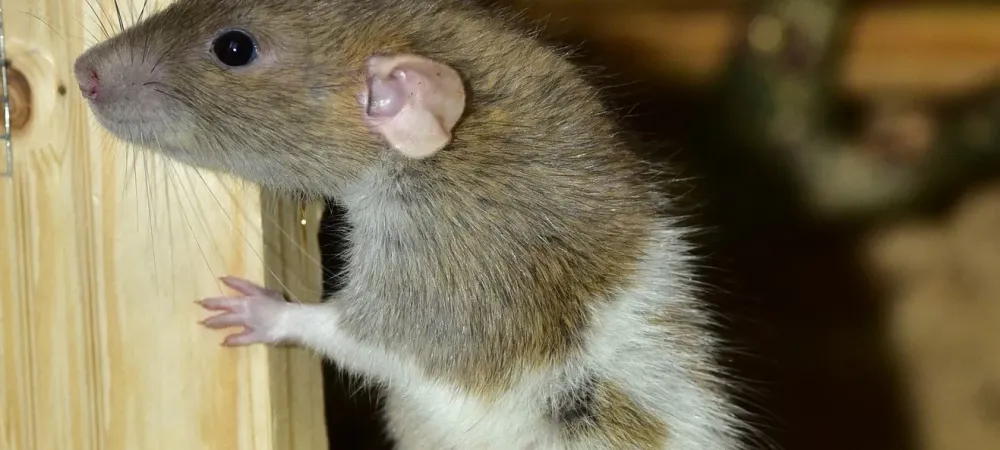
It doesn't matter whether your garage is neatly organized or a scene straight out of a hoarding show, garages are one of the easiest entry points for mice into your home. Garage doors get left open for stretches at a time whenever you're home, and that's plenty of opportunity for a mouse to slip in. Once mice are living in your garage, they're already halfway into your house, since a garage is usually just one wall away from your kitchen or basement. The good news is that a mouse-free garage is entirely achievable. It just takes making the space unappealing to them from every angle: food, shelter, and nesting material all at once.
Quick answer: The most effective way to keep mice out of your garage is to seal every gap larger than a pencil, since mice can fit through openings as small as 3/8 inch, and remove the food, cardboard, and clutter that give them a reason to stay. Snap traps handle mice already inside. Scent repellents and plug-in ultrasonic devices are not reliable fixes. If mice keep showing up after you've done all of that, professional rodent control is the next step.
What's in this guide
Why Do Mice Move Into Garages?
Mice move into garages because most garages offer the three things a mouse needs to survive: food, shelter, and nesting material, usually all in one place and rarely disturbed. Garages are where households tend to keep garbage cans, birdseed, grass seed, and pet food, and those are exactly the food sources that draw mice in. Cornell Cooperative Extension of Rockland County notes that mice eat 15 to 20 small meals a day and need very little water, so even a small, steady food source in a garage can support them.
Garage doors are also a weak point in the building itself. The same Cornell Cooperative Extension guidance calls out garage doors specifically when listing the gaps homeowners should seal, alongside utility openings, vents, windows, and doorways.
| What's in your garage | Why it attracts mice | Simple fix |
|---|---|---|
| Birdseed, grass seed, pet food | Easy, high-calorie food stored in bags mice can chew through | Move into plastic or metal containers with tight-fitting lids |
| Garbage and recycling bins | Food scraps and residue on containers | Use bins with secure lids and rinse food containers before recycling |
| Cardboard boxes | Shelter plus shreddable nesting material | Switch to lidded plastic storage totes |
| Piles on the floor | Dark, undisturbed hiding spots for nests | Store items on shelves off the floor |
| Gaps under or around the garage door | A direct, unguarded way in | Repair or replace the bottom seal and weatherstripping |
When Are Mice Most Likely to Move Into a Garage?
Mice are most likely to move into a garage in the fall, when outdoor temperatures drop and food sources outside start to disappear. Cornell's New York State IPM Program notes that white-footed mice and deer mice, two species that live mostly outdoors, enter buildings from fall through spring. Cornell Cooperative Extension of Rockland County describes the same pattern: these mice often abandon their outdoor habitats and settle into houses once fall arrives.
Late summer is the best time to seal your garage. Getting gaps closed and food stored before the weather turns means you're blocking mice before they go looking for shelter, instead of trying to remove them after they've settled in.
Which Mice Get Into Garages in New York?
The mice most likely to get into a garage in New York are the house mouse, the white-footed mouse, and the deer mouse. Cornell's New York State IPM Program lists these three, along with the Norway rat, as the common pest rodents in the state. Knowing which one you have matters, because it tells you whether the mouse is living inside or coming in from outdoors.
| Rodent | How to recognize it | What it tells you |
|---|---|---|
| House mouse | Grayish-brown all over, belly roughly the same color as the back, tail about as long as the body | Can live its entire life indoors, so food and nesting spots inside are the priority |
| White-footed mouse and deer mouse | Similar size to a house mouse, with a white belly and two-tone coloring | Mostly lives outdoors, so finding one inside means there's an opening it's using to get in |
| Norway rat | Much larger, up to 11 inches long plus tail, with small ears and a blunt nose | A bigger problem than mice, and it needs standing water daily, so look for leaks or puddles |
What Are the Signs of Mice in a Garage?
The most reliable signs of mice in a garage are droppings, gnaw marks, and shredded nesting material, since mice are fast and usually stay out of sight. Cornell's New York State IPM Program notes that rodents use droppings to communicate about resources, which is part of why an infestation tends to grow quietly before it becomes obvious. A few signs worth checking for:
- Small, dark droppings, often near food containers or along walls
- Chewed-up paper, cardboard, or insulation
- Scratching or scurrying noises, especially at night
- Dark, greasy rub marks along the base of your garage walls
- Shredded nesting material tucked into corners or storage boxes
Mouse droppings and rat droppings look similar at a glance, but size separates them quickly. Cornell's New York State IPM Program gives these measurements for telling the two apart:
| Evidence | Mouse | Norway rat |
|---|---|---|
| Droppings | 1/8 to 1/4 inch long | 3/4 to 1 inch long |
| Footprints | A small cluster of dots, 3/8 to 3/4 inch | Shaped like an actual foot, 3/4 to 1 1/4 inches, sometimes with a tail drag line |
| Gnaw marks | 1 to 2 millimeters wide | 3.5 to 4 millimeters wide |
A pile of droppings doesn't automatically mean a large infestation. Cornell's New York State IPM Program notes a single mouse can leave 50 to 60 droppings a day. The detail to watch for is size: large and very small droppings found together usually mean both adults and young mice are present, which points to a breeding population rather than one stray.
How Fast Can a Mouse Problem in a Garage Grow?
A mouse problem in a garage can grow quickly because mice reach breeding age in just a few months and produce several litters a year. Cornell Cooperative Extension of Rockland County reports these figures for house mice:
House mice also tend to stay close to home. Cornell Cooperative Extension of Rockland County notes that a male's territory usually doesn't exceed ten feet across, which is why a garage with food and shelter can hold a mouse family for a long time without them ever needing to leave.
How Should You Clean Up Mouse Droppings in a Garage?
The right way to clean up mouse droppings in a garage is to wet them down with disinfectant first, because sweeping or vacuuming dry droppings can put you at risk. The New York State Department of Health notes that most hantavirus cases have been linked to breathing in dust while cleaning up rodent droppings in cabins or garages that were closed up for a while. Hantavirus is rare in New York, but the precautions are simple and worth following every time:
- Open the garage door and windows to air out the space before you start cleaning.
- Put on rubber or plastic gloves.
- Spray the droppings, urine spots, and any nesting material with a household disinfectant and let it soak.
- Wipe everything up with paper towels and seal the waste in a plastic bag before throwing it out.
- Wash your gloved hands, remove the gloves, and then wash your hands again with soap and water.
The New York State Department of Health advises against using a broom or vacuum on rodent droppings, because both can stir particles into the air you breathe. If you find a large amount of droppings or nesting material, that's a good point to bring in a professional rather than tackling it yourself.
How Do You Mouse-Proof a Garage?
Mouse-proofing a garage works best as a combination of habits rather than a single fix: block the way in, take away food and nesting material, and remove any mice already inside. Cornell's New York State IPM Program describes rodent management the same way, as an integrated approach that pairs sanitation and exclusion with trapping.
1. Seal Off Entry Points
Sealing gaps and crevices is the single most important step in keeping mice out of a garage, and it has to be done carefully. Cornell Cooperative Extension of Warren County notes that an adult mouse can squeeze through an opening as small as three eighths of an inch, roughly the width of a pencil.
- Make sure windows close fully and are sealed properly
- Check that all doors shut snugly with no visible gaps
- Confirm the garage door closes all the way and the bottom seal is intact
- Inspect every spot where pipes, wires, or vents pass through the walls
Cornell Cooperative Extension of Rockland County recommends a simple, low-cost fix for most gaps: caulk entrance holes or fill them with putty or steel wool, paying close attention to utility entry points, vents, windows, and garage doors.
| Where to look | What to use | Why it works |
|---|---|---|
| Small holes around pipes and wires | Steel wool packed in, then sealed with caulk | Mice can't chew through steel wool, and caulk holds it in place |
| Cracks along walls and foundation | Caulk or patching putty | Closes narrow gaps that are easy to miss |
| Bottom of the garage door | A new rubber bottom seal | Worn or torn seals leave gaps when the door is closed |
| Side and passage doors | Weatherstripping or a door sweep | Closes the gap between the door and the frame or floor |
| Vents | Sturdy metal mesh secured over the opening | Keeps airflow while blocking access |
2. Lock Up Food Sources
Locking up food is what makes a garage stop being worth the trip for a mouse. Store birdseed, grass seed, and pet food in plastic or metal containers with tight-fitting lids rather than the paper bags and boxes they come in. Cornell's New York State IPM Program also points out that rodents are unlikely to take baits or traps when better food is available, so cleaning up food sources makes every other control method work better.
3. Remove Cardboard
Removing cardboard takes away the easiest nesting material in most garages. Cardboard and other paper products shred easily, and boxes left on the floor double as shelter. Swap cardboard boxes for plastic storage containers with lids wherever you can, which denies mice a ready-made nest and makes your garage considerably less appealing.
4. Clear Clutter
Clutter gives mice a place to nest without being disturbed, which is why a crowded garage holds onto a mouse problem longer than an organized one. Clear anything piled on the floor and move stored items up onto shelves instead of leaving them in stacks. Cornell's New York State IPM Program notes mice prefer dark, undisturbed spots for nesting, so the goal is to leave as few of those as possible.
How Do You Get Rid of Mice Already in Your Garage?
Snap traps are the most dependable way for a homeowner to remove mice already living in a garage. Cornell's New York State IPM Program notes that trapping also shows you where mice are most active and where they're getting in, and it lets you remove the mouse instead of leaving it to die somewhere you can't reach. A few placement rules make a big difference:
- Place traps against the wall with the narrow, baited end facing the wall, since mice travel along edges
- Space traps 5 to 10 feet apart along the paths where you've seen droppings or rub marks
- Bait with peanut butter, grain, cereal, or nuts
- Move traps after a few days if they aren't catching anything, since mice can learn to avoid a trap left in one spot too long
- Protect kids and pets by placing the trap inside a coffee can laid on its side with a one-inch hole cut in the lid
| Option | Best for | Drawbacks |
|---|---|---|
| Snap traps | Removing a small number of mice and confirming where they're active | Need to be checked and reset, and kept away from kids and pets |
| Live traps | Homeowners who prefer to release mice | Released mice can find their way back if entry points aren't sealed |
| Glue traps | Not recommended for mice | Mostly catch young mice, adults can sense and avoid them, and they're inhumane |
| Bait stations | Larger populations, ideally handled by a professional | Mice can die inside walls and cause odors that last for days, and baits are pesticides that must follow the label |
Do Natural Repellents Keep Mice Out of a Garage?
Natural repellents like peppermint oil, spice pouches, and plug-in ultrasonic devices do not reliably keep mice out of a garage. These remedies show up all over the internet, but they're missing from the methods New York's extension experts actually recommend. Cornell's New York State IPM Program builds its rodent guidance around inspection, trapping, sanitation, and sealing entry points, with no role for scent-based repellents.
Myth: A plug-in ultrasonic device will drive mice out of your garage. Fact: Cornell Cooperative Extension of Rockland County calls ultrasonic devices a temporary solution at best. The sound doesn't travel around boxes, shelves, or cars, and mice quickly get used to it.
| Remedy | The claim | The reality |
|---|---|---|
| Peppermint oil | The strong scent drives mice away | Not part of New York extension guidance for mice, and the scent fades within days |
| Cayenne, pepper, or clove pouches | Spices irritate mice enough to keep them out | No reliable evidence, and they do nothing about the food and shelter that drew mice in |
| Used kitty litter | The scent of a predator scares mice off | Not a recommended control method, and it adds odor and mess to your garage |
| Ultrasonic plug-ins | High-frequency sound repels mice | Temporary at best, blocked by clutter, and mice get used to the noise |
If you've been relying on repellents and still finding droppings, the problem isn't that you picked the wrong scent. It usually means there's still an open entry point or an available food source, and that's where your effort will pay off.
When Should You Call a Professional for Mice in Your Garage?
You should call a professional for mice in your garage once a population is established or mice keep returning after you've sealed gaps, cleared clutter, and set traps. Prevention habits handle most garage mouse problems well on their own, but they fall short once mice are already breeding inside. Cornell's New York State IPM Program notes that new droppings appearing after a thorough cleanup are a sign your control methods aren't working yet. Other signs it's time to call:
- You find large and small droppings together, which points to a breeding population
- Your garage connects directly to your kitchen, basement, or living space
- You're seeing signs of mice inside the house, not just the garage
- You've found a large amount of droppings or nesting material to clean up
- You can't find where the mice are getting in
| Approach | Best for | Where it falls short |
|---|---|---|
| Sealing entry points | Stopping new mice from getting in | Won't remove mice that are already inside |
| Snap traps | Removing a few mice and finding where they're active | Slow against a breeding population |
| Natural repellents | Not a reliable option | Short-lived, and mice adapt to many deterrents |
| Professional rodent control | An established population or a garage that connects directly to your home | The most reliable option once prevention alone isn't working |
A&C Pest Management offers professional rodent control to remove mice that have already moved in. If you'd like help sealing your garage too, ask our team about adding exclusion service, where we find and seal the entry points mice are using.
Frequently Asked Questions About Mice in the Garage
How small of a gap can a mouse get through?
An adult mouse can squeeze through a gap as small as 3/8 of an inch, about the width of a pencil, according to Cornell Cooperative Extension of Warren County. Any opening around your garage door, pipes, or vents that size or larger is worth sealing.
Will mice leave the garage on their own in the spring?
Mice don't reliably leave a garage on their own once they've settled in. White-footed mice and deer mice tend to come indoors from fall through spring, but house mice can live their entire lives indoors if food and shelter are available, according to Cornell's New York State IPM Program.
Is one mouse in the garage a problem?
One mouse in the garage is worth acting on, because mice can start breeding at two to three months old and have several litters a year, according to Cornell Cooperative Extension of Rockland County. Setting traps and sealing gaps early is much easier than dealing with an established population.
Are mouse droppings in the garage dangerous?
Mouse droppings in the garage can carry disease, and the New York State Department of Health notes most hantavirus cases are linked to breathing dust while cleaning droppings in closed-up garages or cabins. Hantavirus is rare, but you should always wet droppings with disinfectant and wear gloves instead of sweeping or vacuuming them.
Does peppermint oil keep mice out of the garage?
Peppermint oil does not reliably keep mice out of a garage. It isn't part of the rodent guidance from Cornell's New York State IPM Program, which relies on sealing entry points, removing food and shelter, and trapping instead.
At A&C Pest Management, we've been a family-owned and operated business serving Long Island for over 57 years. If you're finding droppings in your garage or just aren't sure what you're dealing with, call us at 516-683-8376 or reach out to our team and we'll help you figure out the right next step.
Sources
- "Is There a Mouse in Your House?" Cornell Cooperative Extension of Rockland County. rocklandcce.org
- "Managing Mice and Rats." New York State Integrated Pest Management Program, Cornell University. cals.cornell.edu
- "Mouse and Rat Biology and Behavior." New York State Integrated Pest Management Program, Cornell University. cals.cornell.edu
- "Case of Hantavirus Confirmed in New York State." New York State Department of Health, Oct. 2012. health.ny.gov
- "Rare Human Infection Diagnosed in Suffolk County." New York State Department of Health, June 2011. health.ny.gov
- "Keeping Mice Out." Cornell Cooperative Extension of Warren County, Warren County Connection, Nov. 2022. issuu.com